
Throughout history, rings have been more than mere adornments. They have symbolized love, power, loyalty, spirituality, and social identity. From ancient civilizations that carved rings from stone and bone to modern societies embracing wearable technology, the journey of this small accessory tells a grand story of human culture and innovation. Today, the Oren Mate Smart Ring represents the latest chapter in this timeless evolution, blending tradition with technology.
A Journey of Rings Through Time
Rings in Ancient Civilizations
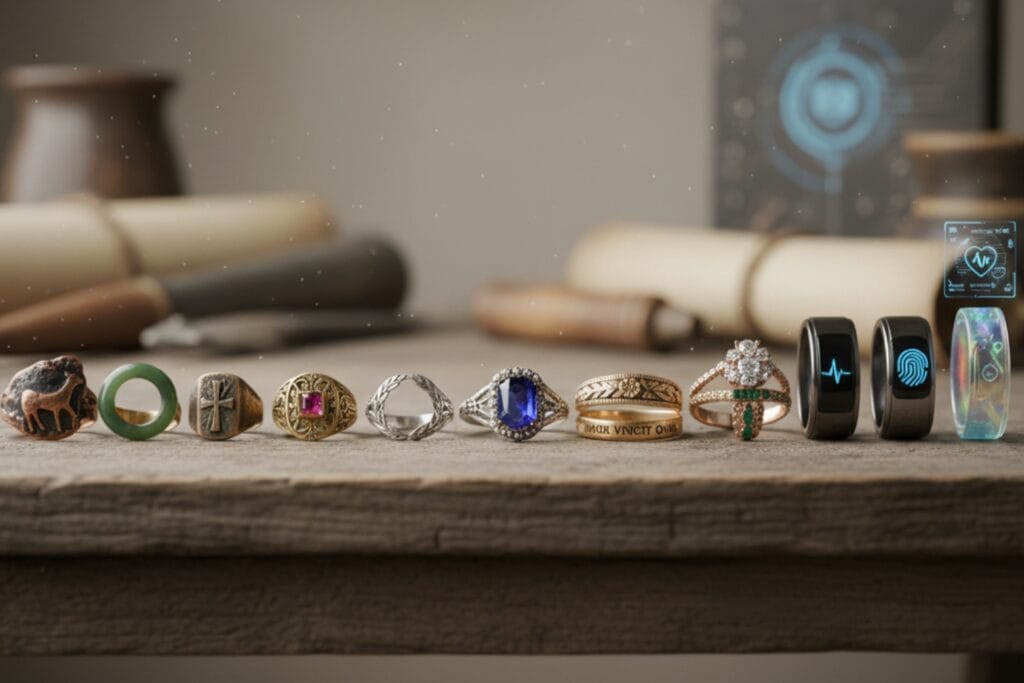
Rings have existed for thousands of years, long before they became fashion statements. In ancient Egypt, rings symbolized eternity, often crafted in circular shapes with no beginning or end to represent infinite life. Pharaohs wore rings made from gold, adorned with hieroglyphs to signify power and divine connection. In Mesopotamia, seals engraved into rings were pressed onto clay tablets as a mark of identity and authority. Similarly, in ancient Greece and Rome, rings were associated with loyalty, status, and even magical protection.
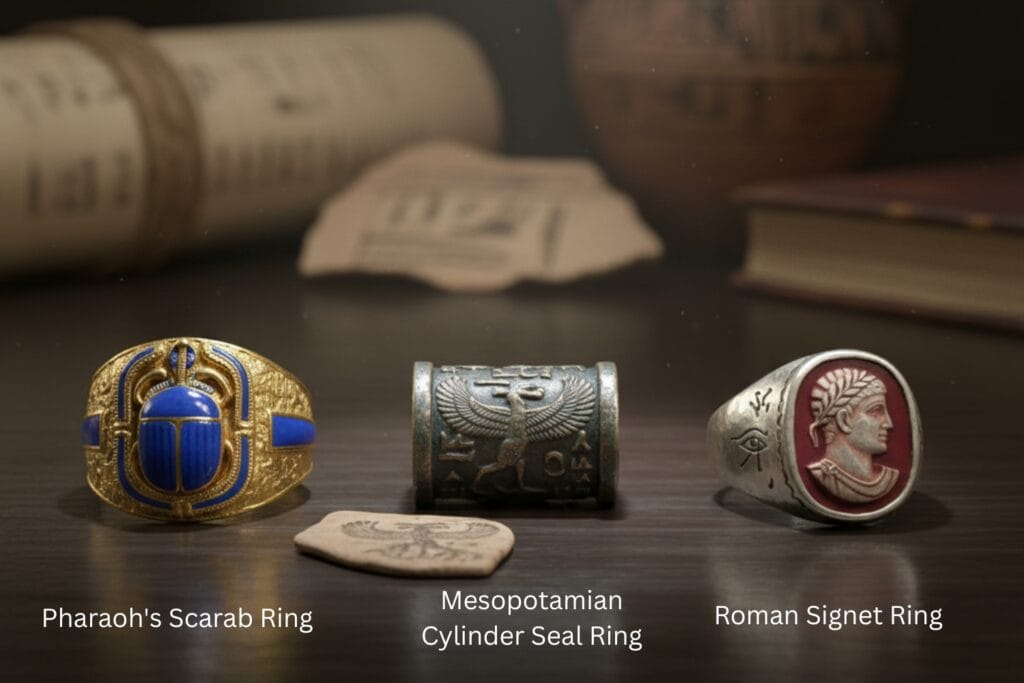
These early uses reveal that rings were never just decorative. They were cultural codes, small in size yet enormous in meaning.
Rings in the Middle Ages
As societies evolved, so did the role of rings. During the Middle Ages, rings became tools of both symbolism and practicality. Signet rings, engraved with unique family crests, functioned as personal signatures. Monarchs and noble families used them to seal letters, sign documents, and authenticate orders. Religious rings, often inscribed with scriptures or blessed by clergy, carried spiritual weight. Engagement rings also began to emerge, signifying promises of union and fidelity.
The importance of rings in this period lay in their ability to communicate identity and intention without words. A simple band on one’s finger could carry the weight of entire relationships, allegiances, and beliefs.
Rings as Fashion and Status Symbols
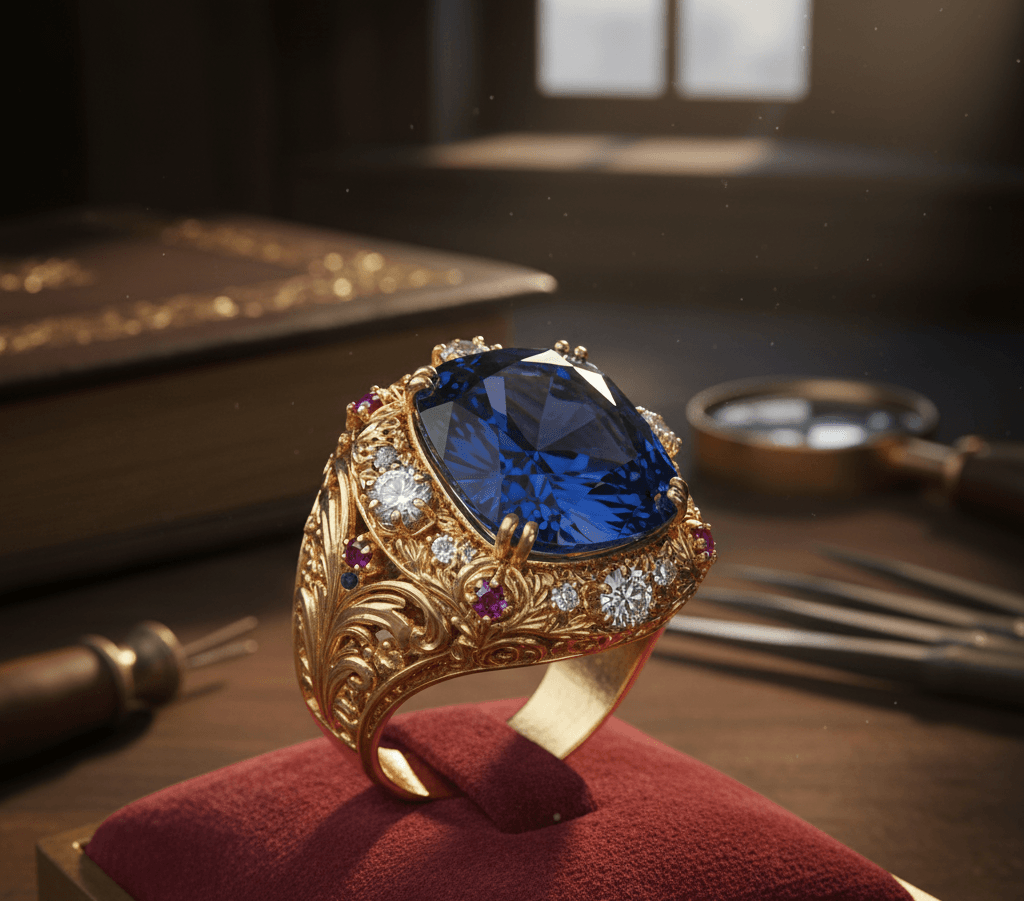
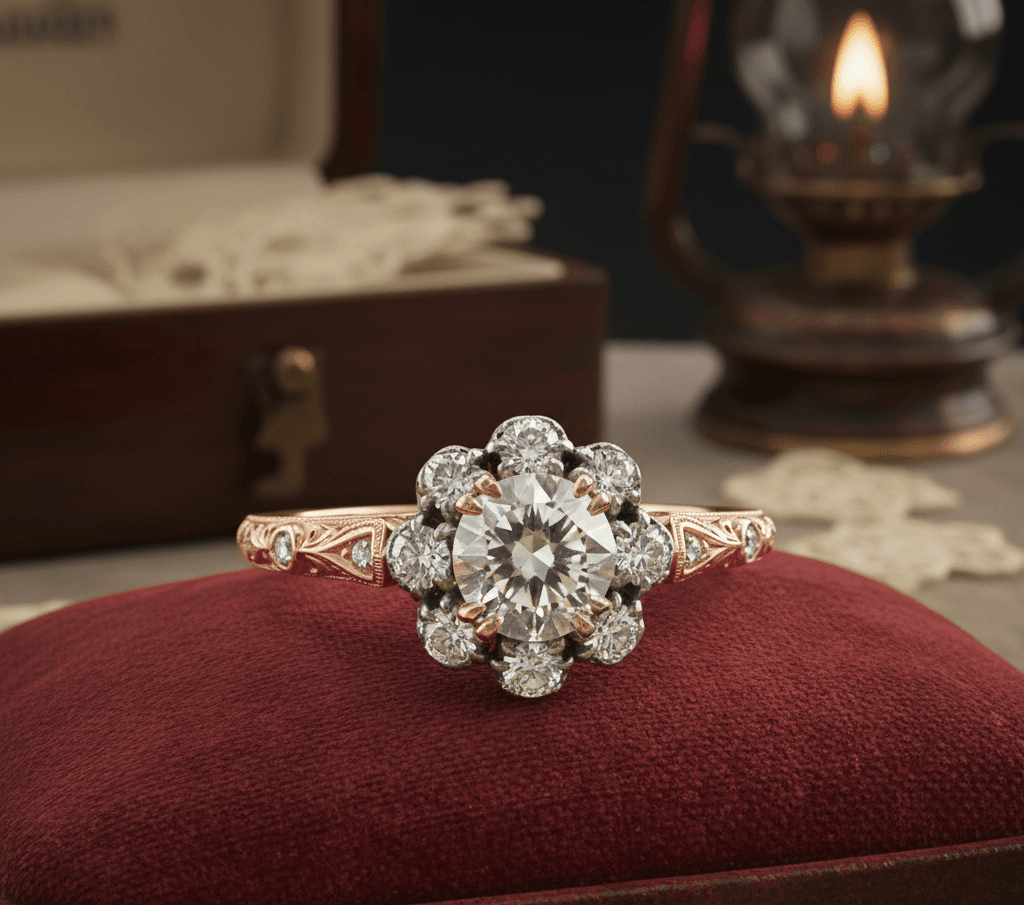
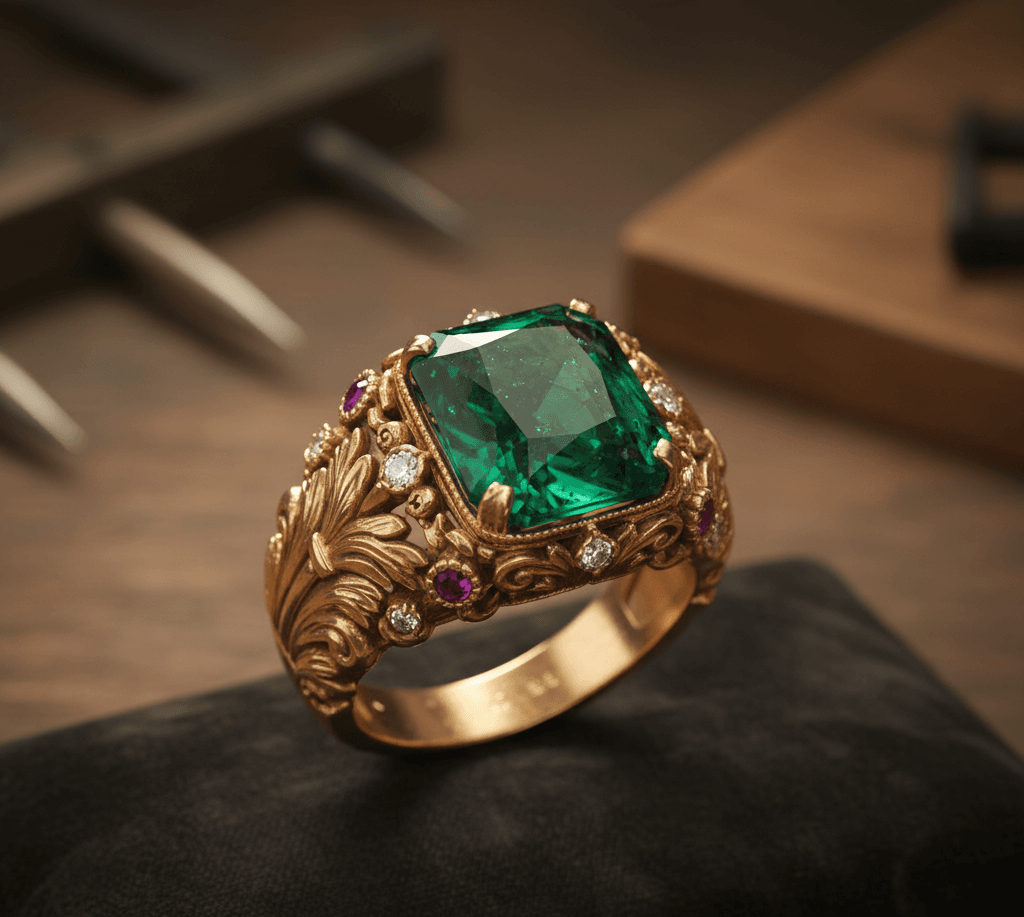
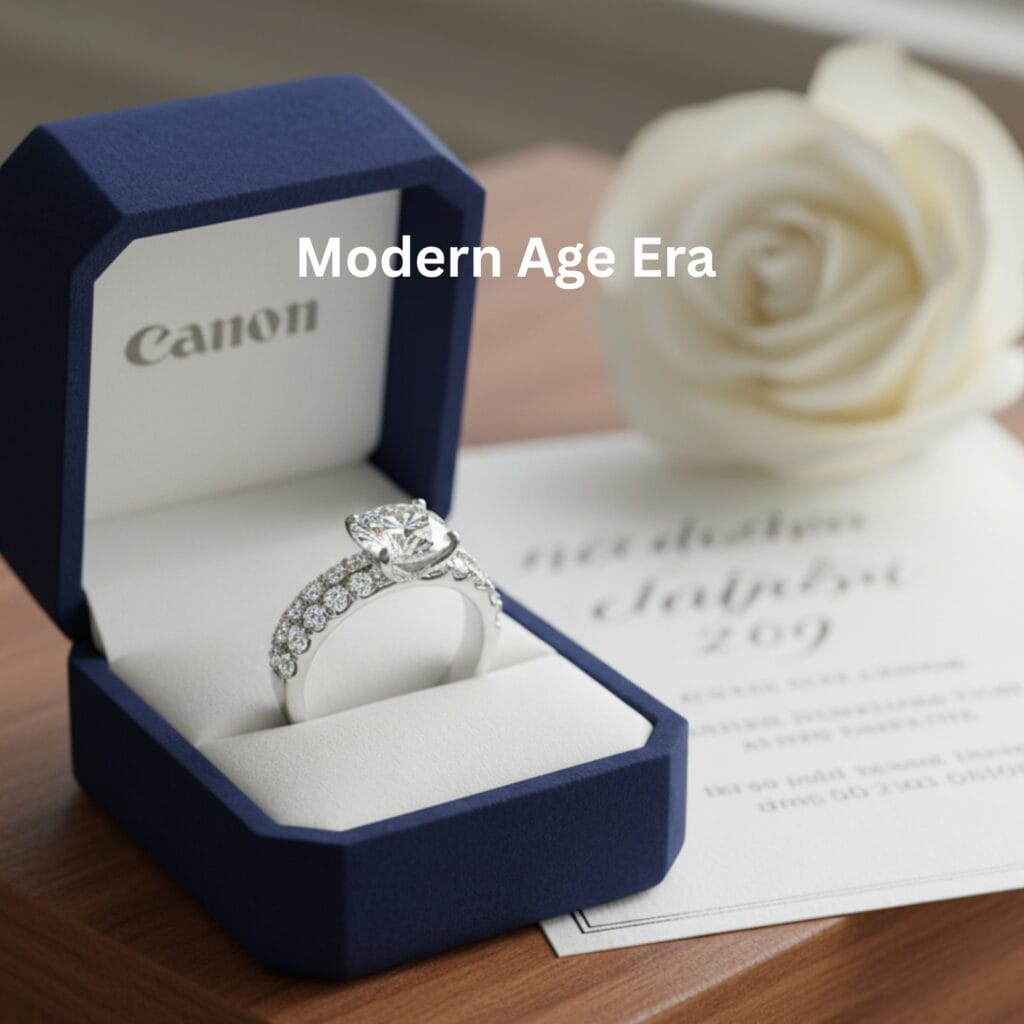
The Renaissance and modern eras elevated rings into the world of fashion. Diamonds, emeralds, and sapphires became central to engagement traditions, while intricate designs reflected wealth and artistry. By the 19th and 20th centuries, rings became mass-produced yet highly symbolic pieces. Whether wedding bands passed down as heirlooms or glamorous cocktail rings displayed at events, rings became universal signifiers of personal stories and social aspirations.
Even as their materials and meanings shifted, the constant was clear: rings adapted to human needs while retaining their symbolic power.
From Ancient Authority to Modern Adornment
The Rise of Technology in Jewelry
The 21st century ushered in a new frontier, rings that no longer only symbolize meaning but also perform functional tasks. Technology began entering the jewelry industry, from smartwatches expanding to smart accessories like rings. Miniaturization of sensors and NFC technology made it possible to embed powerful features into something as small as a ring.
Unlike earlier innovations, this was not about adornment alone, it was about enhancing human capability. Smart rings could track health, make payments, unlock doors, and connect with digital ecosystems, all while maintaining the timeless aesthetics of jewelry.
Oren Mate Smart Ring: The Modern Evolution
The Oren Mate Smart Ring embodies this balance of tradition and innovation. It continues the ancient legacy of rings as personal symbols, but it takes the concept further by embedding advanced technology into its core. Unlike traditional jewelry, Oren is not just a passive accessory, it actively contributes to your daily life.
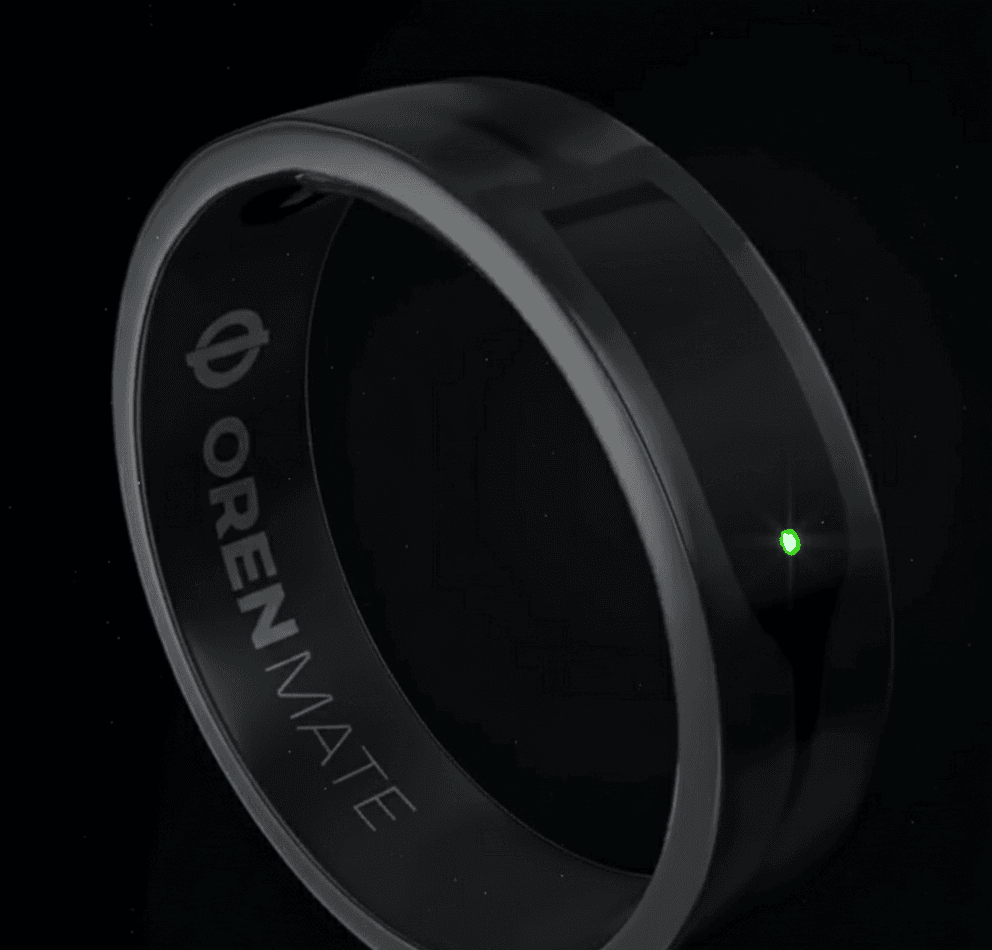
With NFC capabilities, Oren enables secure, contactless payments, making everyday transactions effortless. Its sensors monitor health, providing insights into heart rate, sleep cycles, and activity patterns. The design ensures comfort, so users don’t have to compromise style for functionality. Oren reflects the same symbolic essence that rings have always carried, but it redefines what that essence means in a digital age.
Comparing Eras of Rings
The Evolution of Rings Through History
| Era | Purpose | Material/Design | Functionality |
| Ancient Civilizations | Power, eternity, identity | Stone, bone, gold, seals | Spiritual and symbolic |
| Middle Ages | Status, authority, faith | Crests, religious engravings | Signatures, religious use |
| Modern Era | Fashion, love, wealth | Diamonds, gems, mass design | Symbolic and decorative |
| Smart Era (Oren) | Technology, lifestyle, tradition | Sleek, durable, tech-enabled | Payments, health, security |
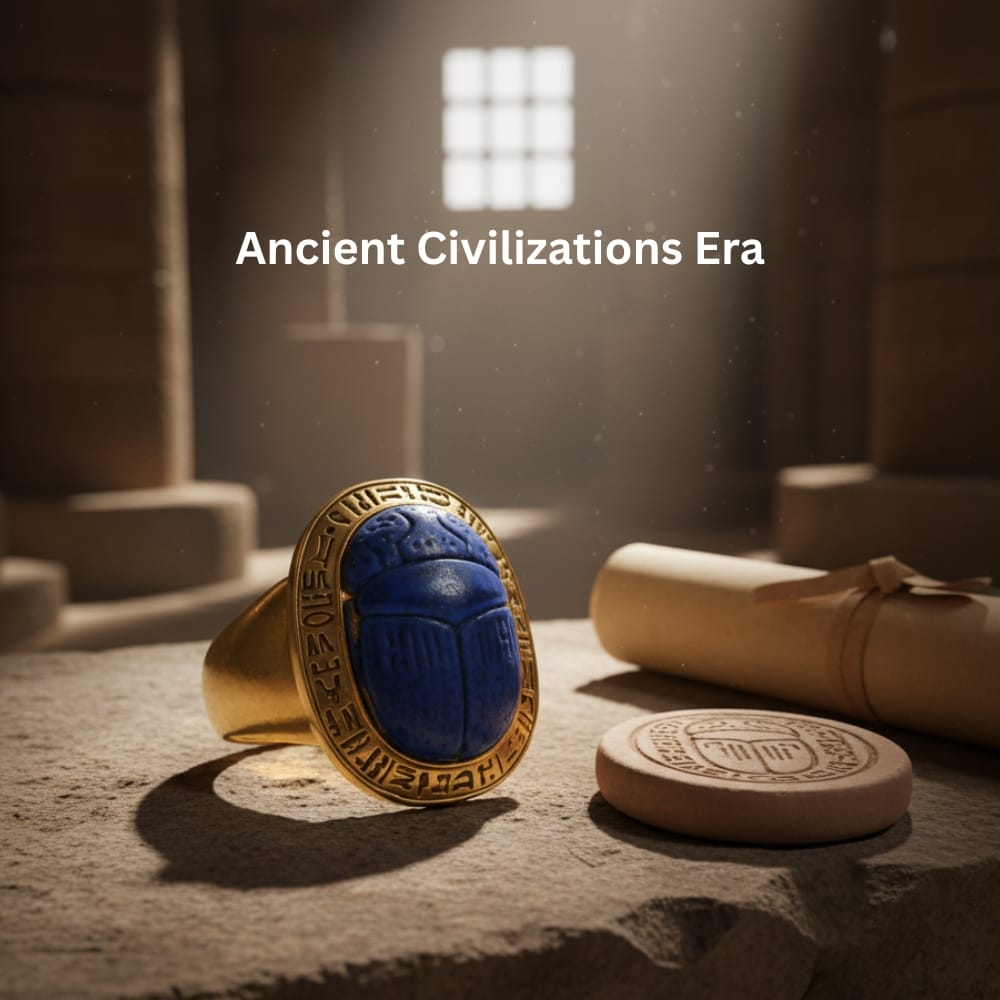
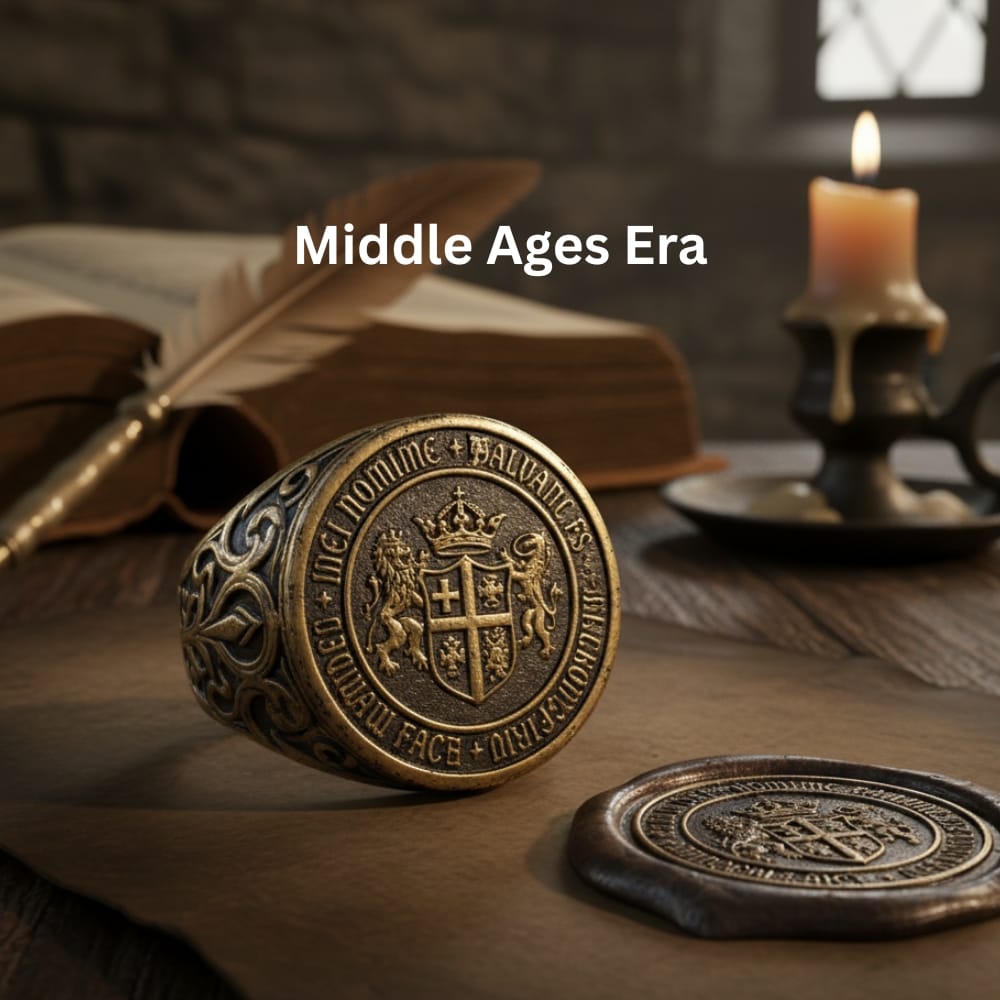

This table highlights that rings have always adapted to the values of their time. Oren represents not just an accessory, but an evolution that keeps pace with digital lifestyles.
Rings as Personal Identity in the Digital Age
In the digital world, identity is no longer only about appearances, it is also about data, connectivity, and security. The Oren Mate Smart Ring reflects this transformation. Just as a signet ring once carried a family’s identity, the Oren ring now carries digital credentials, health data, and secure access points. It is a new form of identity marker, less about showing who you are, more about seamlessly enabling how you live.
The Future of Rings
Looking ahead, rings may continue to evolve as interfaces between humans and technology. Biometric sensors could expand to detect stress levels, hydration, or even early signs of illness. AI integrations might transform rings into real-time personal assistants. As history shows, rings adapt with society, and the Oren Mate Smart Ring is only the beginning of this digital chapter.
Conclusion
From the stone-carved rings of ancient civilizations to the sleek smart rings of today, this accessory has endured the test of time by continually reinventing itself. The Oren Mate Smart Ring does not abandon the symbolic weight of its predecessors, it amplifies it, merging elegance with empowerment. As small as it is, it carries the legacy of millennia while pointing toward a future where technology is not only powerful but also deeply personal.

